
Supreme Court Clarifies POCSO Presumption: Prosecution Must Establish Foundational Facts
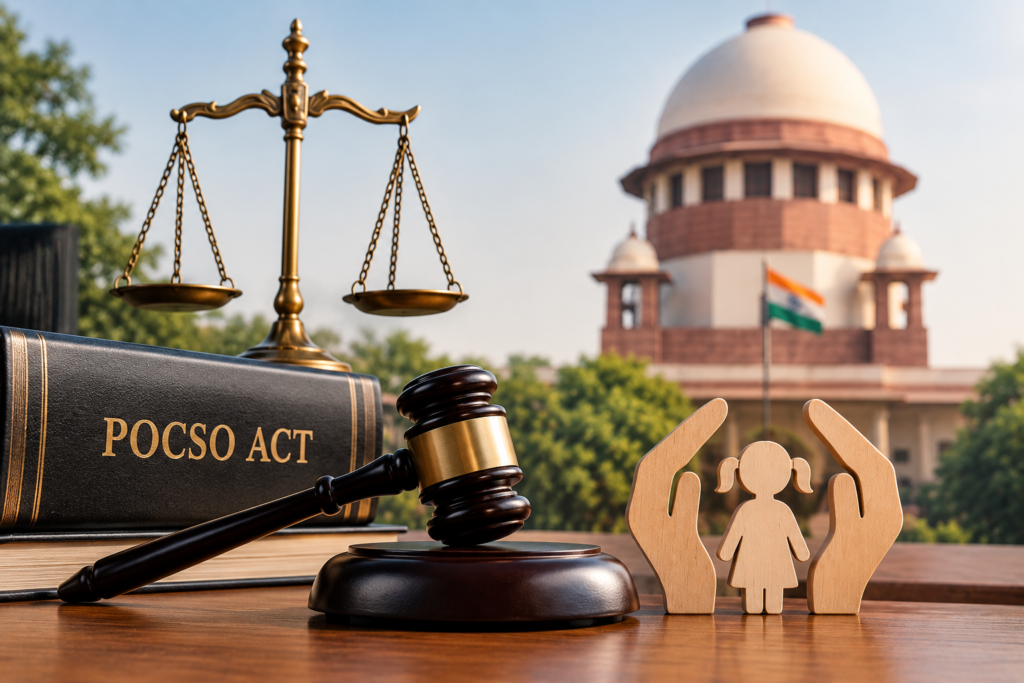
The Supreme Court of India has recently clarified an important aspect of the Protection of Children from Sexual Offences Act, 2012 (POCSO Act), concerning the statutory presumptions under Sections 29 and 30. In its judgment dated 17 September 2026 in Deepak in JC v. State Govt. of NCT Delhi, the Court explained that these presumptions […]
Supreme Court’s Approach to Bail Under the New Criminal Laws: Key Takeaways for Accused Persons
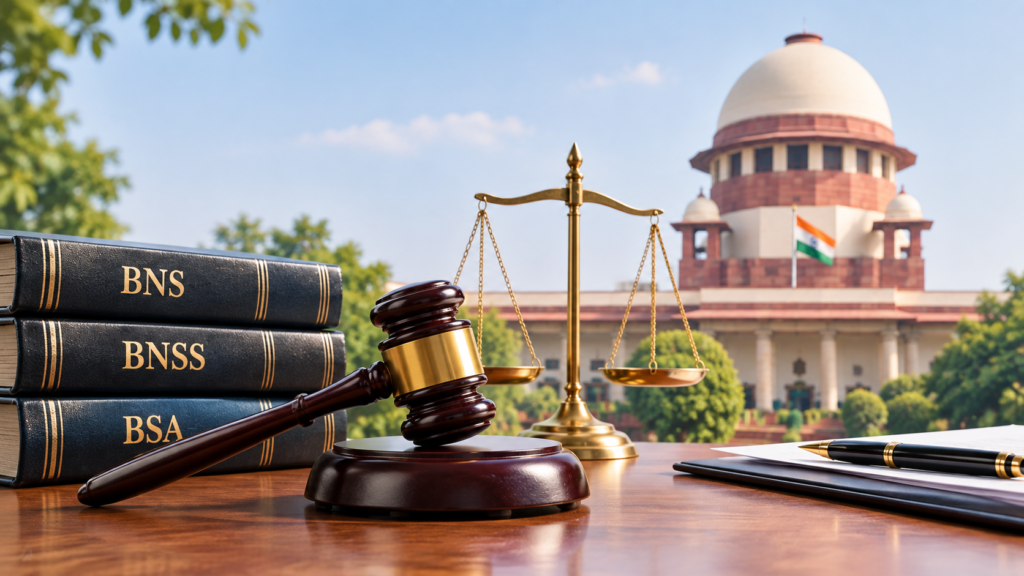
India’s criminal justice system has undergone a significant transformation with the introduction of the Bharatiya Nyaya Sanhita, 2023 (BNS), the Bharatiya Nagarik Suraksha Sanhita, 2023 (BNSS) and the Bharatiya Sakshya Adhiniyam, 2023 (BSA). These laws have replaced the Indian Penal Code, 1860, the Code of Criminal Procedure, 1973 and the Indian Evidence Act, 1872, respectively, […]
Bail: Understanding Bail, Legal Rights, and the Bail Process in India
Bail is an important legal remedy available to an accused person facing criminal proceedings. It allows a person who has been arrested or detained to obtain temporary release from custody while the investigation or criminal case continues, subject to conditions imposed by the court. The purpose of bail is to balance the interests of justice […]
Domestic Violence: Legal Rights, Protection, and Remedies
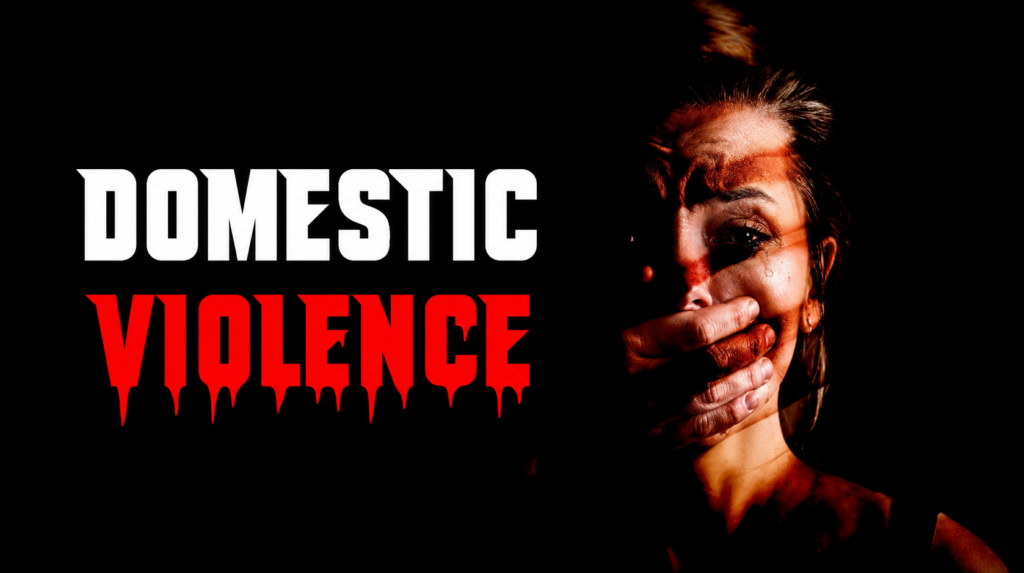
Domestic violence is a serious social and legal issue that can affect individuals and families in many different ways. It is not limited to physical abuse. Violence or abusive behavior within a domestic relationship can also involve emotional, verbal, sexual, economic, or psychological abuse. Understanding the legal framework surrounding domestic violence is important for individuals […]
Child Custody and Maintenance: Protecting the Rights of Children and Parents in India

Child custody and maintenance are among the most emotionally challenging aspects of family law. When a marriage or relationship ends, the welfare of the child becomes the highest priority. Indian courts focus on ensuring that children receive proper care, education, financial support, and emotional stability while protecting the legal rights of both parents. Whether […]
Family & Matrimonial Law: Protecting Your Rights and Relationships

Family and matrimonial matters are among the most sensitive legal issues an individual can face. Unlike other legal disputes, these cases often involve personal relationships, emotions, children, financial security, and long-term family interests. Whether it is marriage, divorce, child custody, maintenance, domestic violence, or property disputes, having the right legal guidance is essential to protect […]
Divorce FAQs Answered by Experienced Legal Professionals

Divorce is one of the most significant legal decisions an individual may face. Along with emotional challenges, it also involves understanding legal rights, financial responsibilities, child custody, property division, and court procedures. Many people have similar questions when considering or going through a divorce. This guide answers some of the most frequently asked questions about […]
What Is Anticipatory Bail? Meaning, Process, and Legal Rights Explained
Anticipatory bail is an important legal remedy available under Indian criminal law that protects an individual from arrest when there is a reasonable apprehension of being accused of a non-bailable offence. It is intended to safeguard the fundamental right to personal liberty while ensuring that the investigation is not obstructed. Courts grant anticipatory bail after […]
Cheque Bounce Cases in India: Legal Remedies, Penalties, and Recovery Process

Cheque Bounce Cases in India: In today’s fast-paced financial environment, cheques continue to be a commonly used mode of payment for both personal and business transactions. However, when a cheque is dishonoured by the bank due to insufficient funds or other valid reasons, it can lead to serious legal consequences. Commonly referred to as a […]
Domestic Violence Mediation vs Litigation: Which Legal Option Is Right?

Domestic violence cases involve sensitive personal, emotional, and legal issues that require careful consideration. Victims of domestic violence often face a difficult decision when seeking justice and protection: whether to resolve the matter through mediation or pursue litigation in court. Both options have distinct advantages, limitations, and legal implications. Understanding the differences between domestic violence […]